1. Overview of the Department’s History
The Department of Foreign Languages at Nha Trang University originated from the Foreign Languages Section within the Department of Basic Sciences. In 2005, with the approval of the Vietnamese Ministry of Education and Training, Nha Trang University began offering the English Language program with two specializations: English for Tourism and English for Translation and Interpretation. During the initial phase of its development, the University collaborated with international organizations from Australia, Japan, South Korea, and Taiwan to enhance the quality of foreign language education for students. These partnerships created favorable conditions and contributed to improving the quality of education in the English Language program at Nha Trang University. To meet the growing demand for high-quality human resources in Khanh Hoa Province, neighboring regions, and nationwide, and in line with the continuous development of Nha Trang University, the Department of Foreign Languages was officially established on September 9, 2009. Since its establishment, the Department of Foreign Languages has continuously developed, not only in scale but also in the quality of its training programs. The employment rate for graduates reaches 90%, and they are highly regarded by employers for their ability to meet recruitment needs.
 2. Faculty and Staff
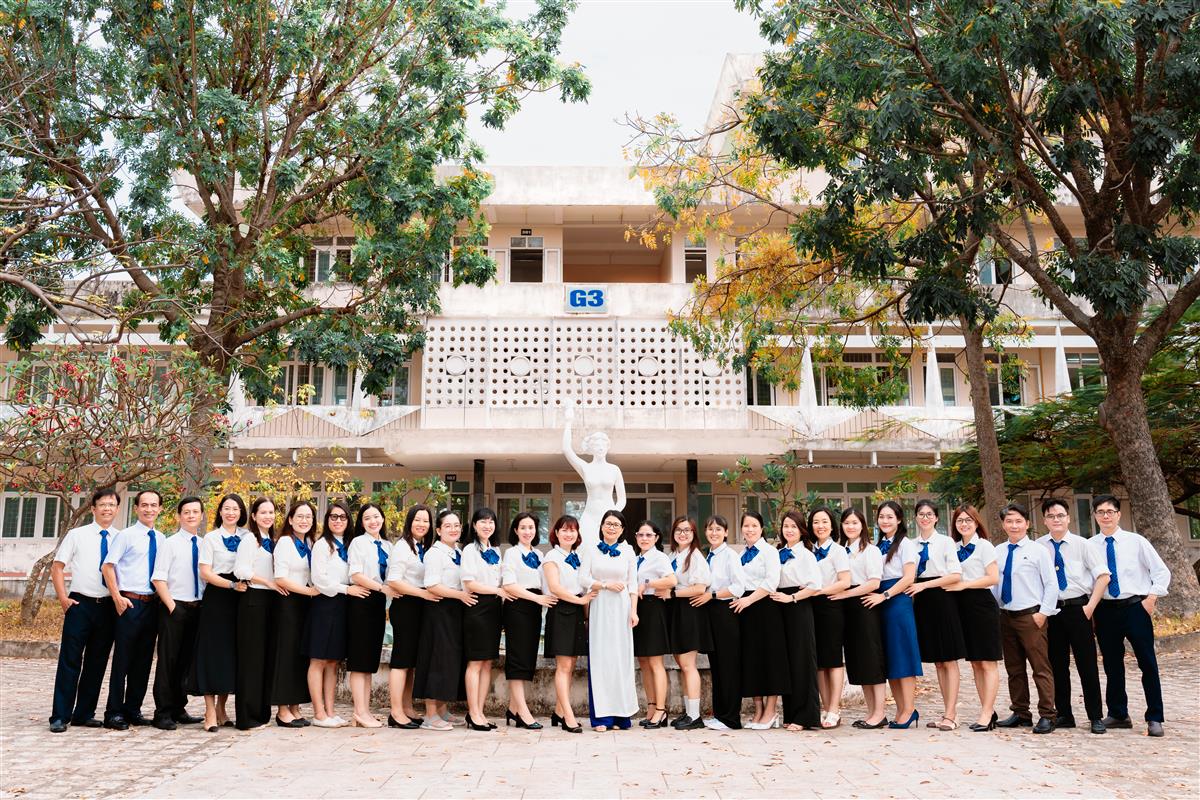
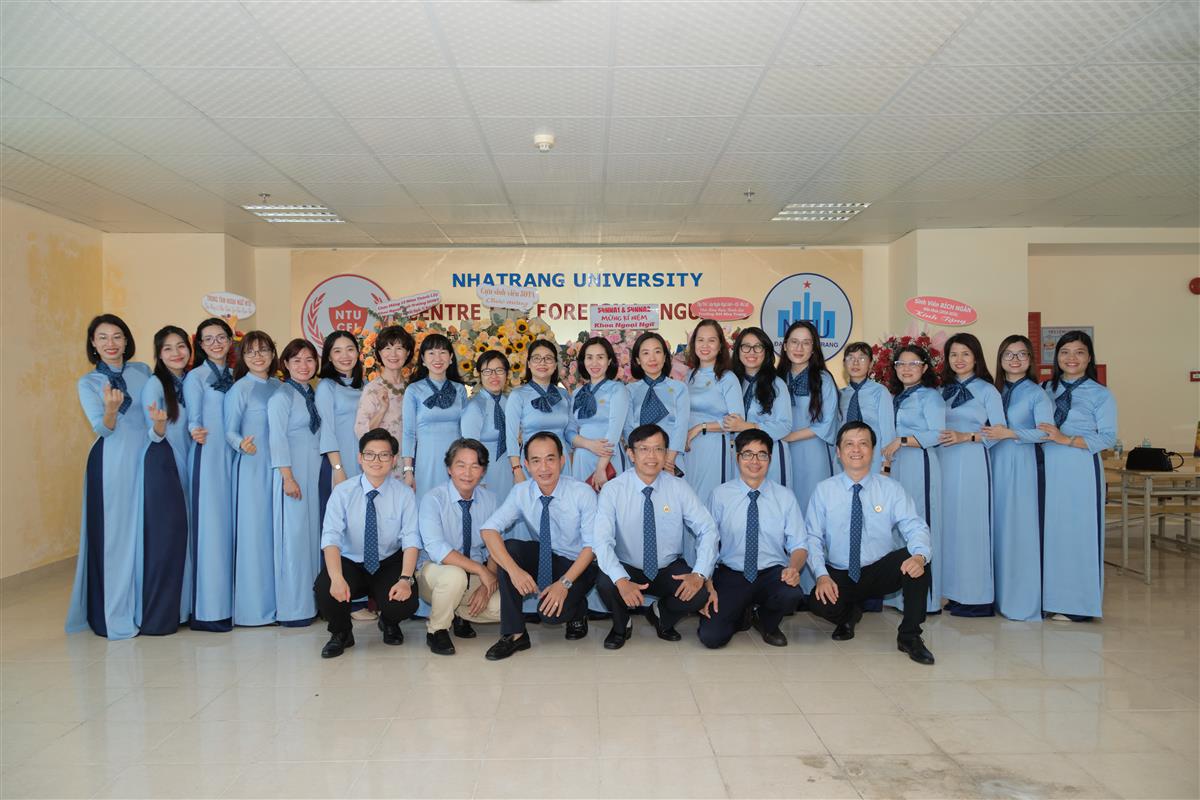
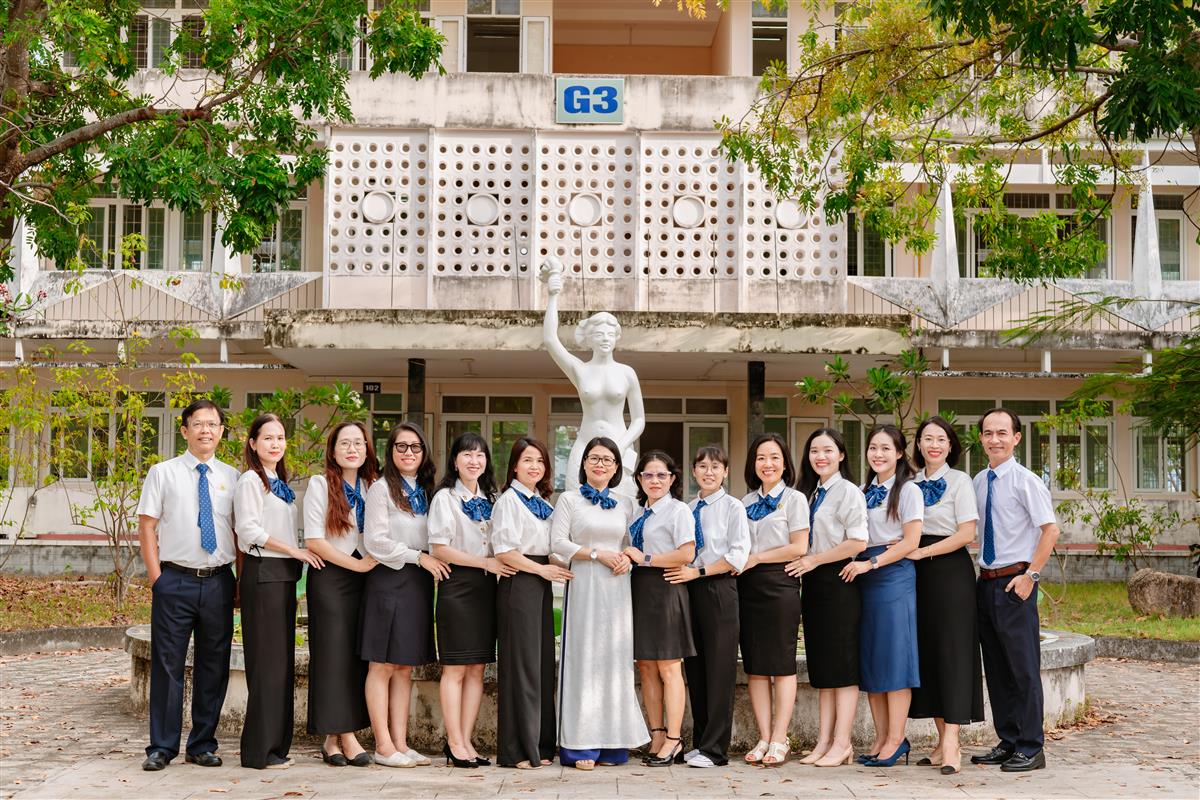
Currently, the Department of Foreign Languages consists of two divisions: the Language Practice Division and the Translation and Interpretation Division. In total, the Department has 30 staff members, including 29 faculty members (one of whom is a part-time instructor) and one administrative staff member. Most of the faculty members in the Department have been trained in advanced countries such as the United Kingdom, Australia, Canada, France, China, and Russia. Each year, the Department of Foreign Languages invites professors, PhDs, and volunteer teachers from the United States, Australia, Canada, Russia, Taiwan, and Japan to participate in professional training activities and teach students. This has contributed to enhancing the professional competence of the faculty and the quality of instruction in the Department.

 3. Academic Programs
The Department of Foreign Languages is responsible for teaching and research in the fields of English, French, Russian, Chinese, and Japanese. Currently, the Department carries out the following specific tasks: Teaching specialized English at the undergraduate level in the regular program, with four main majors: Translation and Interpretation, English for Tourism, English Language Teaching Methods, and English-Chinese Bilingual Studies. Teaching specialized English at the undergraduate level in the dual-degree program with a major in English Language. Providing foreign language instruction (English, French, Chinese, Russian, and Japanese) for non-language majors across the entire university. Since its establishment, the faculty of the Department of Foreign Languages has actively updated teaching materials from developed countries, innovated foreign language teaching methods with a learner-centered approach, applied communicative teaching methods, and integrated language instruction with critical thinking development and practical application. Additionally, the Department prioritizes the innovation of assessment methods in accordance with international standards, while also adapting them to the practical context of the South Central region.
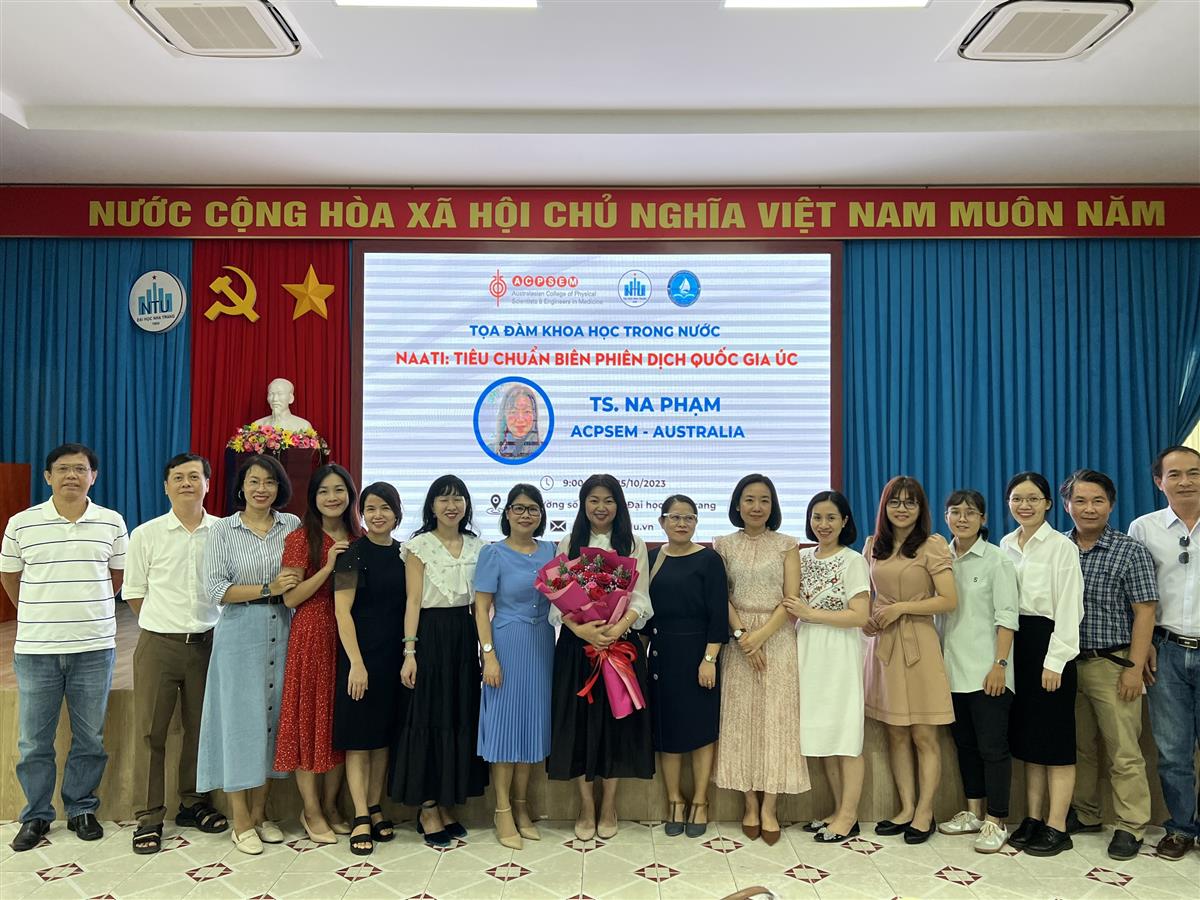
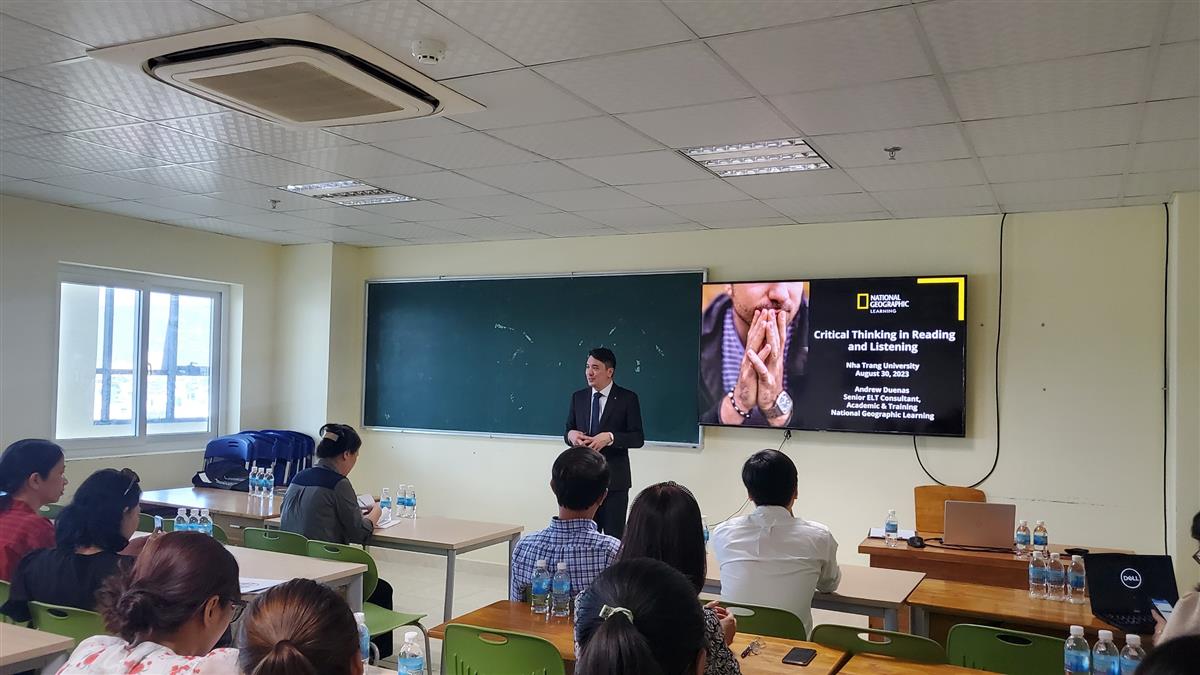
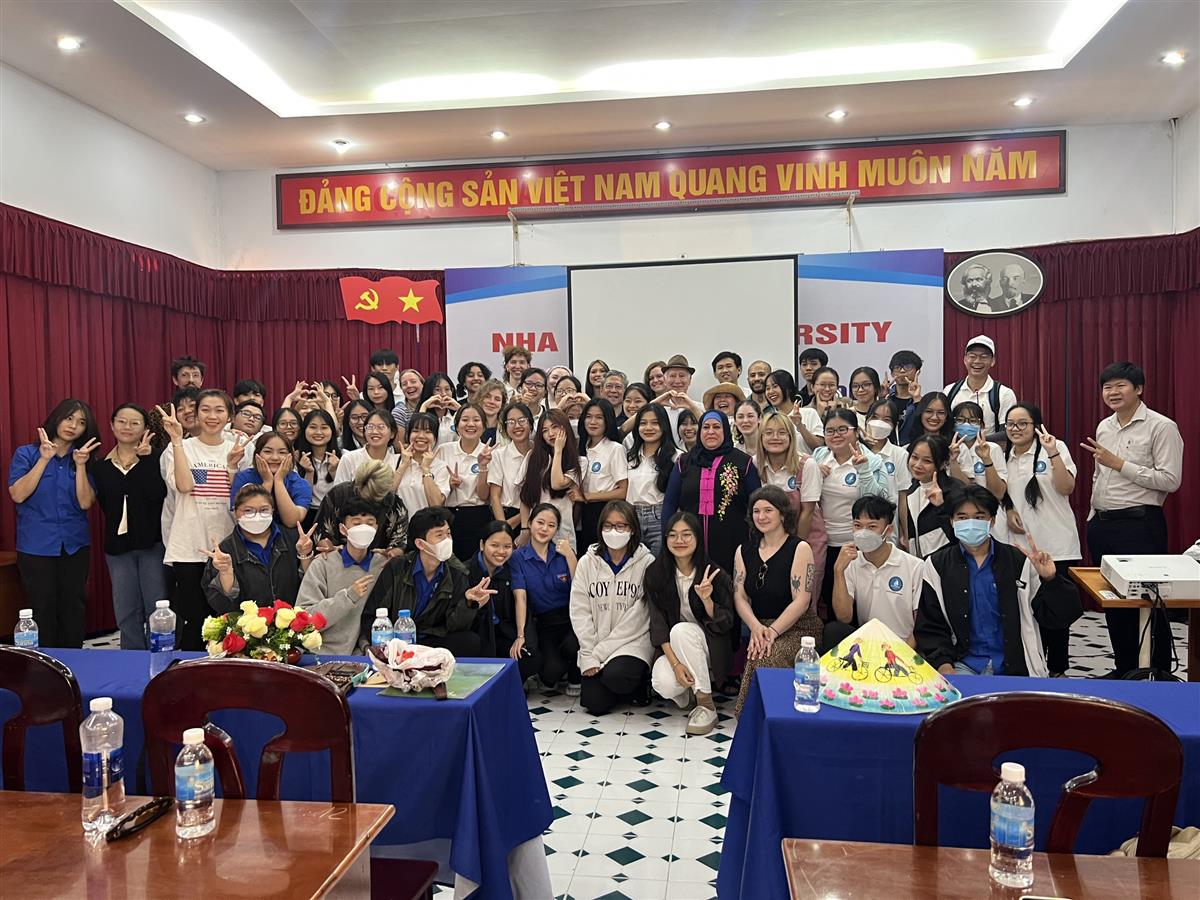
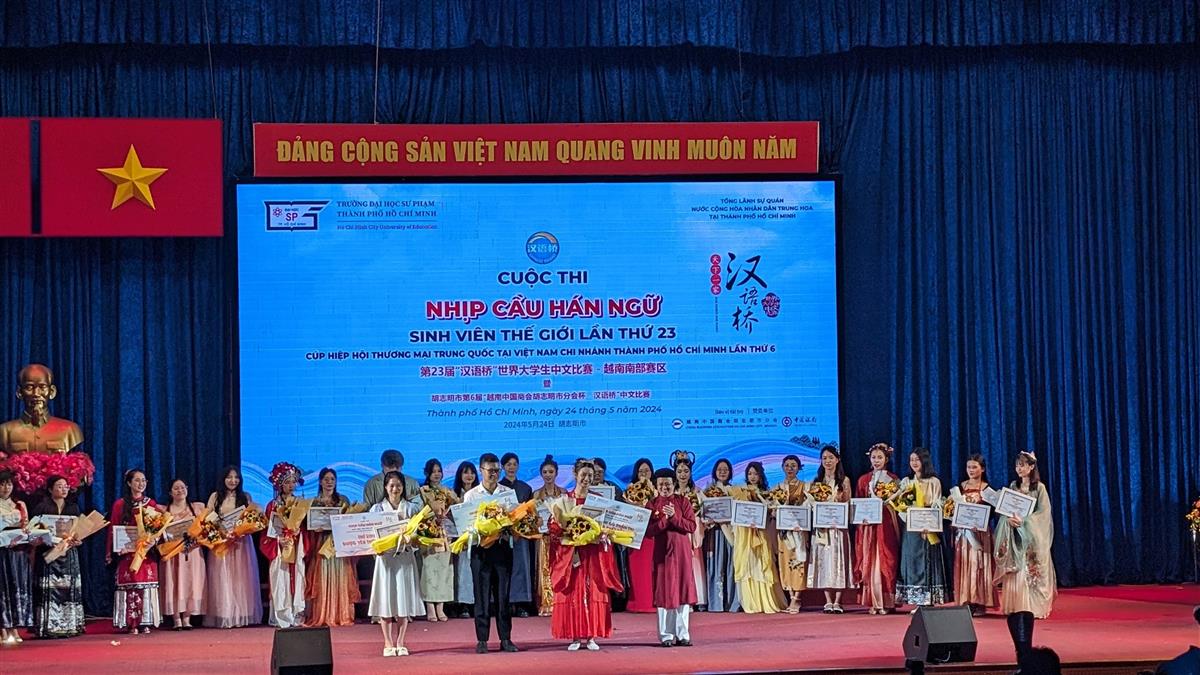
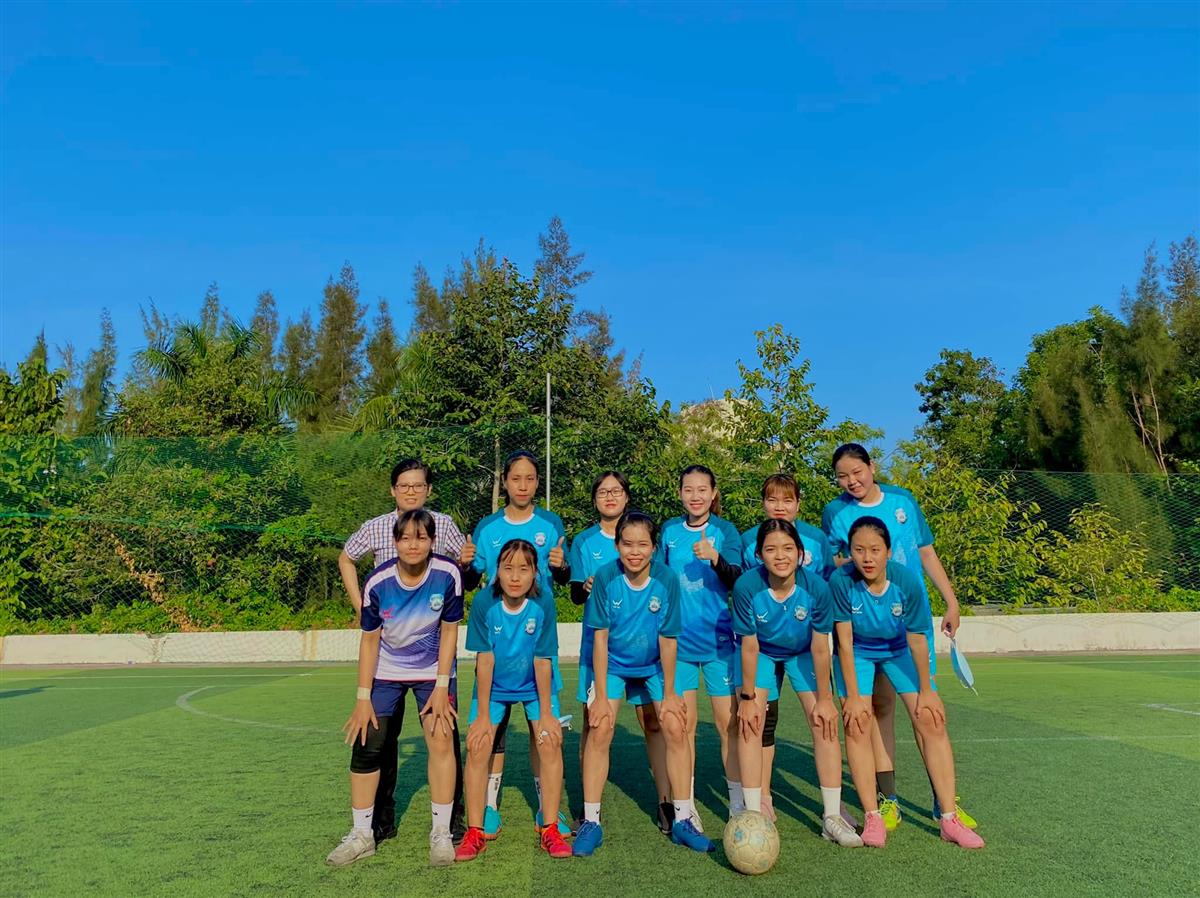
Activity Photos:
A selection of representative photos showcasing the academic and extracurricular activities of students in the Department of Foreign Languages.
 4. Areas of Scientific Research
The Department of Foreign Languages has identified foreign language education as its core mission to meet society’s growing demands. In this context, the Department’s research focus in recent years has centered on developing and refining curricula, teaching methods, as well as assessment and evaluation methods. These studies aim not only to enhance the quality of education but also to align with the specific characteristics and learning conditions of students in the South Central region of Vietnam. The Department of Foreign Languages is committed to continuing to innovate and improve teaching and assessment methods to provide the best possible learning outcomes for students, while also making a positive contribution to the region’s educational development.