Department of Business Administration – School of Economics and Business is one of the key units in Nha Trang University’s development strategy to become a leading university in business and management education.
The Department trains high-quality human resources to meet the constantly changing needs of domestic and international markets, covering the fields of business administration, marketing and international trade.
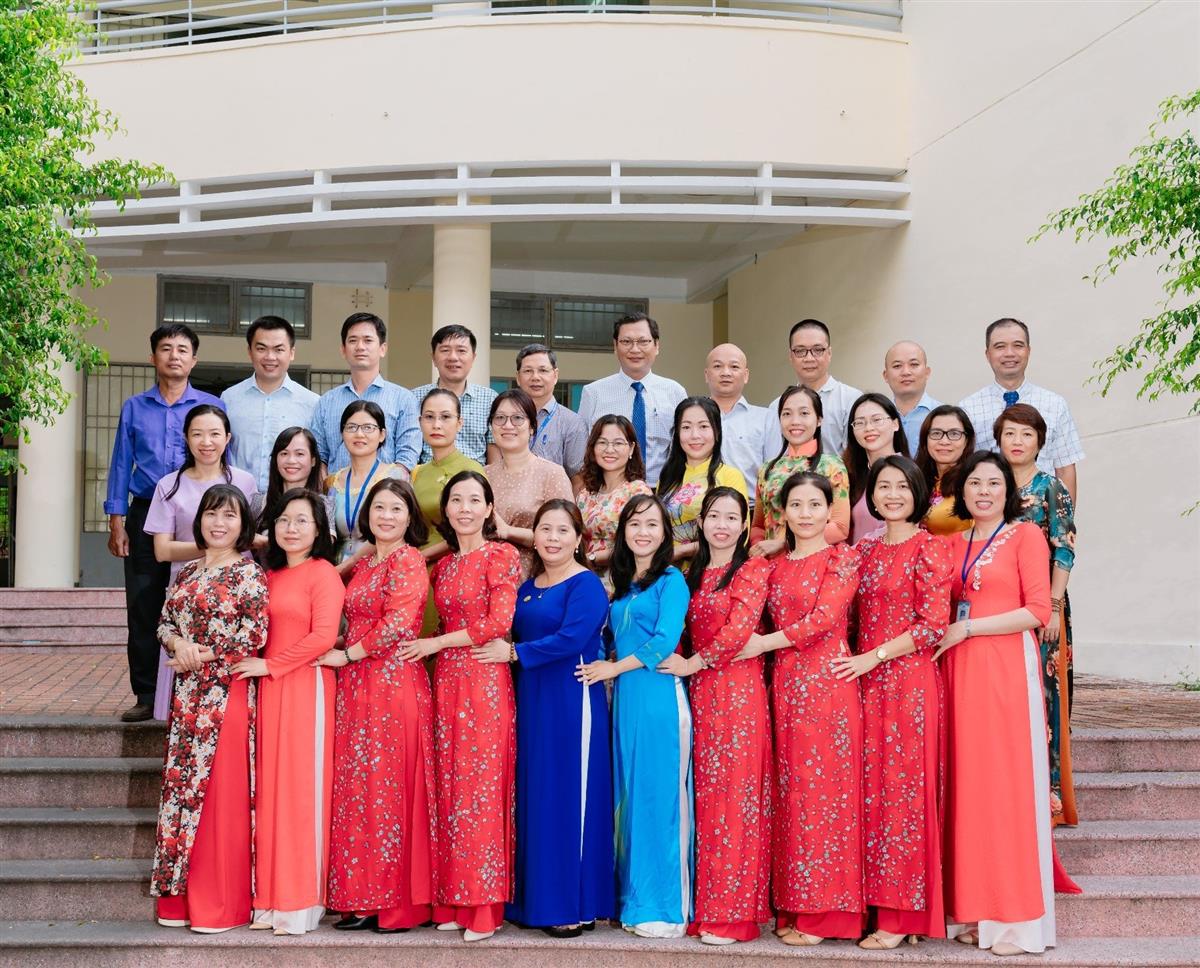 1. Functions and Responsibilities
Department of Business Administration is a key educational unit, tasked with providing high-quality economic human resources to meet the demands of global integration. The Department’s core function is to manage, oversee and continuously evaluate and enhance the quality of its three flagship Bachelor’s degree programmes: Business Administration, Marketing and International Trade.
The Department’s strategic mission is to closely integrate theoretical teaching, scientific research (SR) and practical application. Through this, the Department is committed to training a cohort of graduates, specialists and managers with solid professional competence, innovative and creative thinking, and the readiness to take on key positions in enterprises across all sectors of the economy.
2. Key Highlights of the Programme
The programmes at the Department of Business Administration are scientifically designed, learner-centred, and committed to meeting the stringent demands of the labour market.
Modern, practice-oriented training objectives: The three flagship disciplines—Business Administration, Marketing and International Trade—aim to train well-rounded graduates and managers. Students are equipped with in-depth knowledge ranging from executive management and entrepreneurial spirit to strategic communication planning, as well as import-export operations and supply chain management. Through this, learners develop sharp analytical thinking, ready to adapt to the 4.0 digital era and the globalised economy.
Programme Learning Outcomes (PLOs) guarantee quality: Students are trained holistically in specialised knowledge, foreign languages, information technology, and core soft skills (critical thinking, teamwork). The curriculum is continuously reviewed and updated periodically based on benchmarking against reputable institutions and real-world feedback from the business network.
An experiential learning environment: The Department employs active teaching methods through practical application (e.g., using Enterprise Resource Planning (ERP) systems). An extensive network of business partners enables students to gain hands-on experience in real-world work environments, minimising the gap between the classroom and the workplace.